
Climate Change, Labour Migration and Agriculture in Telangana
June 2024
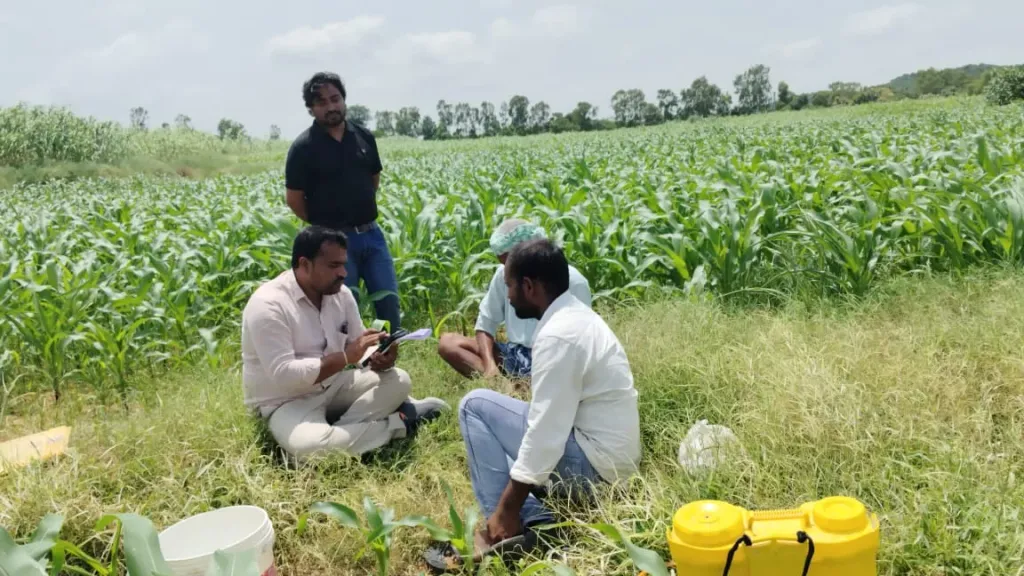
Undertaken as part of the FAO-IOM MMPTF Joint Programme on Migration, Agriculture and Climate Change (MACC), PDAG conducted a baseline study to build an evidence-based understanding of household vulnerability, resilience and adaptation strategies in response to climate-induced economic stressors in Telangana.
The study focused on Narayanpet and Nizamabad, two districts with distinct migration and climate vulnerability profiles. Narayanpet has traditionally witnessed significant inter-state migration alongside emerging international migration, while Nizamabad is an established source of international migration and faces considerable drought vulnerability. The baseline built on a preceding Gender and Age-sensitive Climate Vulnerability and Risk Assessment (VRA) to assess household-level resilience and contribute to the Joint Programme’s monitoring and evaluation framework.
Using a mixed-methods approach, PDAG examined the intersections between climate change, agriculture, livelihoods and migration, including households’ exposure to climate risks, agricultural adaptation practices, access to finance and markets, migration pathways, livelihood diversification, skills and access to support services. The research paid particular attention to the differentiated experiences of women, migrants and other vulnerable households and to the ways in which climate pressures interact with existing socio-economic vulnerabilities.
The study generated evidence to inform interventions aimed at strengthening household resilience, including measures related to climate-resilient agriculture, financial inclusion, safer migration pathways, migration support systems, gender-responsive programming and livelihood diversification. It also provided a baseline against which the Joint Programme could assess the outcomes of its interventions and strengthen future programming at the intersection of climate resilience, migration and rural livelihoods.
Client

Partners