
Experiments on the Role of State Actors in Eliciting Pro-Developmental Behavioural Change
March 2023
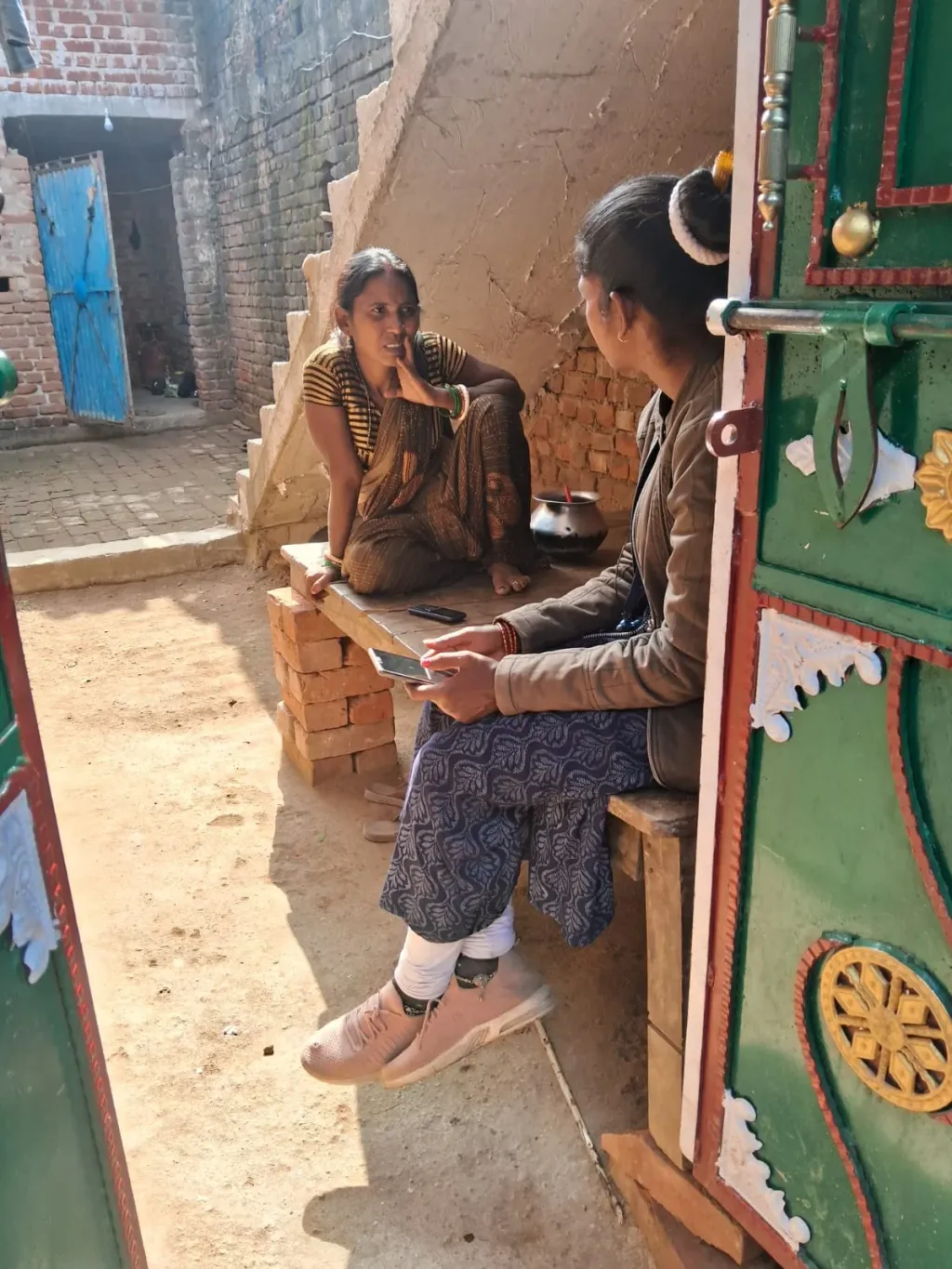
Funded by the National Science Foundation (NSF), PDAG conducted a research study examining when and how state actors can encourage citizens to adopt behaviours that contribute to improved development outcomes. The research was undertaken in collaboration with Dr Anjali Thomas, Dr Charles Hankla and Dr Sayan Banerjee and focused on two critical areas of public policy in Bihar: health and girls’ education.
At the centre of the study was a broader question of state effectiveness: does citizens’ willingness to act on public information depend on who within the state communicates it? The research examined whether behavioural responses differed according to whether the state actor was elected or unelected, the level of government at which they operated and citizens’ perceptions of their expertise, trustworthiness and influence. It also explored whether appeals based on individual benefits or prevailing social norms produced different responses.
PDAG conducted the research across Gaya, Jamui, Madhubani and Supaul in Bihar, combining qualitative research with two randomised controlled trials (RCTs). The health intervention tested whether messages associated with different state actors could encourage eligible lower-income households to enrol in government-provided health insurance. The education intervention examined whether different messengers and messaging strategies could influence parents’ attitudes and behaviours around their daughters’ education and school attendance. The experiments compared the influence of actors including Panchayat Mukhiyas, Members of the Legislative Assembly, Block Development Officers and ASHA workers.
PDAG led the on-ground research implementation, including qualitative interviews and focus group discussions, adaptation and translation of research instruments, recruitment and training of field teams, implementation of the experimental interventions, baseline and endline data collection and organisation of the resulting research data. The study built on PDAG’s previous research experience and institutional relationships with state and local actors in Bihar.
By bringing together experimental and qualitative evidence, the project generated insights into how trust, messenger identity and the nature of public messaging shape state-citizen interactions and behavioural change. The research contributes to a broader understanding of how governments can improve the effectiveness of programmes in areas such as healthcare and girls’ education, particularly where achieving policy outcomes depends on citizens actively engaging with public services and programmes.
Client