
Misinformation in Ethnically Divided Societies
June 2019
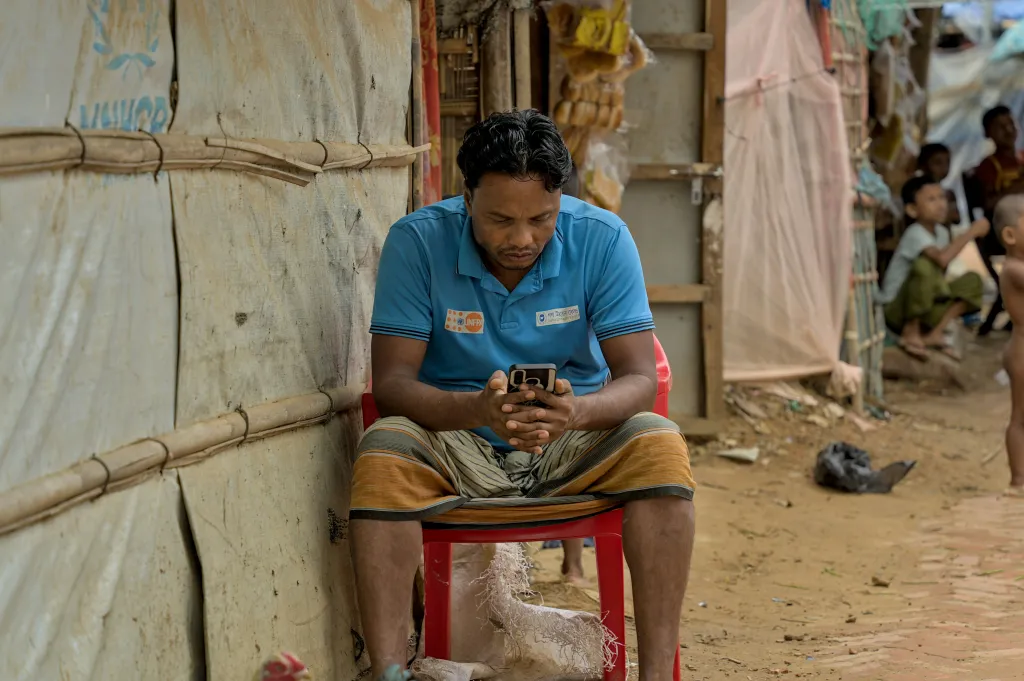
PDAG's research team collaborated with Dr Srinjoy Bose of the University of New South Wales and Dr Sayan Banerjee, then at the University of Essex, on a research project titled “Misinformation in Ethnically Divided Societies: Political Behaviour and Good Governance,” investigating how misinformation circulating through social networks — at a time when WhatsApp and other platforms were becoming dominant news sources across India — shapes inter-group attitudes, voting behaviour and public-policy preferences in ethnically and religiously diverse political settings.
The study, funded by Facebook Inc. (now Meta), was conducted at a period of heightened concern about the role of social-media misinformation in Indian politics and public life, including its documented role in inflaming communal tensions and, in some cases, contributing to mob violence. Fieldwork covered four states with distinct social and political compositions — Uttar Pradesh, Bihar, West Bengal and Jharkhand — allowing the researchers to examine whether and how the relationship between misinformation exposure and political attitudes varied across different social contexts.
Rather than relying solely on respondents' self-reported exposure to misinformation, which is prone to recall bias and social-desirability effects, the team used a quasi-experimental survey design intended to track genuine changes in attitudes over time, offering a more rigorous test of misinformation's causal role. The project contributed original field evidence to a wider, fast-growing body of research on digital information environments, political behaviour and social cohesion in India, at a time when few empirical studies had directly measured these dynamics at scale.
Client

Partners