
Prospective Planning for a Post-Coal Future
March 2024
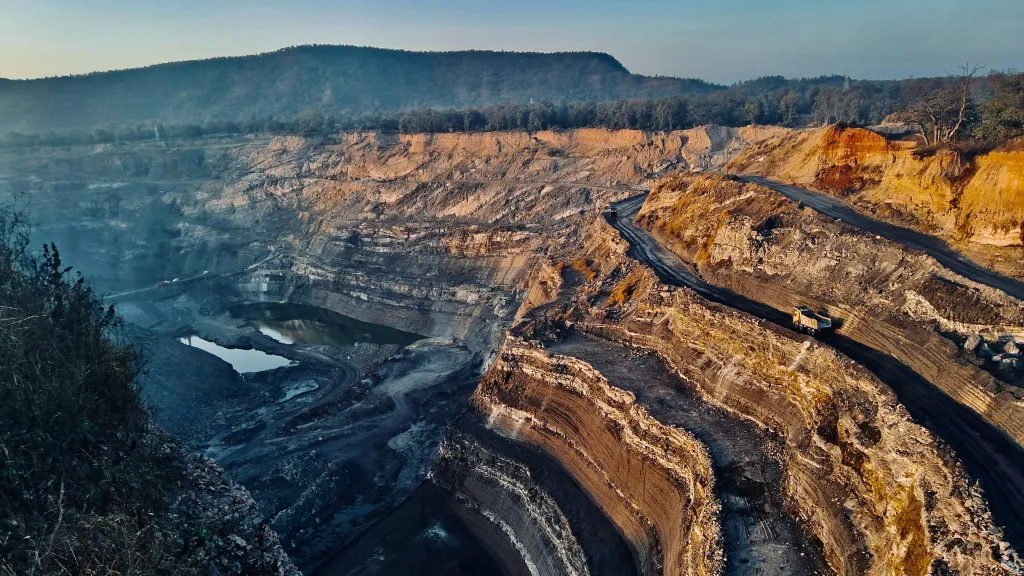
Prospective Planning for a Post-Coal Future is a PDAG engagement focused on mapped the socio-economic consequences of mine closure and realistic alternative livelihood pathways around Ashok and Kabribad mines. Working in Jharkhand: Chatra and Giridih, PDAG brought together household surveys; focus group discussions; key informant interviews; ethnographic mapping to move beyond a narrow description of the issue and examine how policies, institutions and lived realities interact. The work was undertaken with World Bank and reflects PDAG’s approach of combining grounded evidence with an understanding of implementation constraints, institutional incentives and the experiences of people most affected by policy decisions. Research with 1,000 respondents across 30 villages mapped livelihood dependency, aspirations and barriers to reskilling. Across the engagement, the emphasis was not only on producing research or advisory outputs, but on making the evidence usable for decision-makers. This meant identifying the practical questions behind the assignment, testing assumptions against field or stakeholder evidence and translating findings into clear implications for policy, programme design or public communication. The project sits within PDAG’s Just Transition & Future Economies practice area and contributes to a wider body of work on how public systems can respond more effectively to complex social and economic change. Where relevant, PDAG also connected local findings with wider policy debates, helping ensure that recommendations remained attentive to context rather than relying on one-size-fits-all solutions. The resulting work provides partners with a stronger basis for understanding the problem, recognising gaps in existing approaches.
Client